Essential Hygiene Practices for Commercial Bakery Equipment
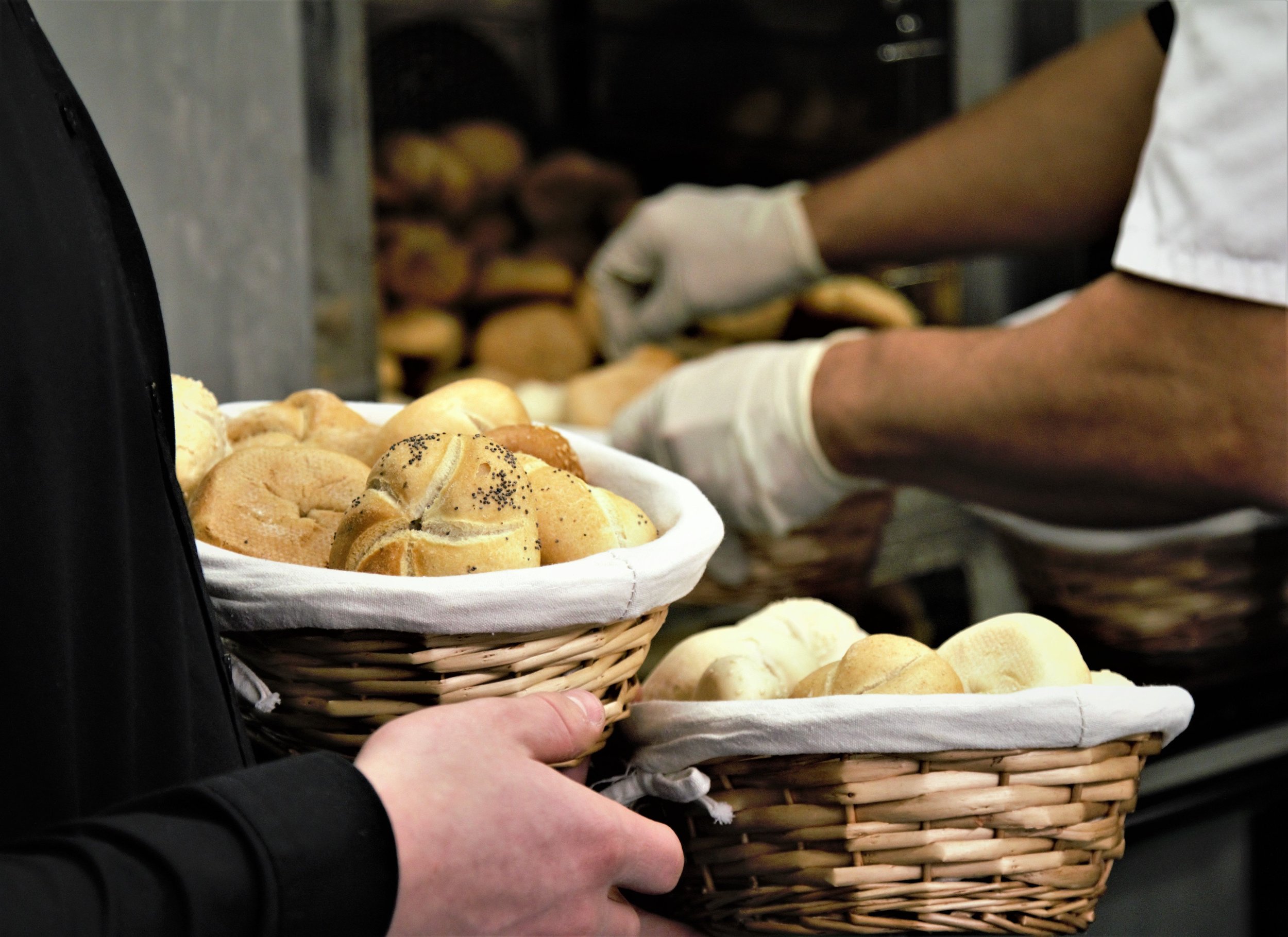
Maintaining excellent hygiene standards is fundamental to running a safe, efficient and successful commercial bakery. From dough mixers and bread slicers to ovens, proofers and preparation benches, commercial bakery equipment comes into contact with ingredients throughout the production process. Without appropriate cleaning and sanitising procedures, food residue, grease, allergens and microorganisms can accumulate in areas that may not always be immediately visible.
For Australian bakeries, hygiene is more than a matter of keeping equipment looking clean. Food Standards Australia New Zealand (FSANZ) requires food businesses to keep premises, fixtures, fittings and equipment clean, with food-contact surfaces maintained in a clean and sanitary condition.
A structured approach to equipment hygiene can help protect customers, improve consistency, reduce unnecessary downtime and extend the working life of valuable bakery machinery.
Why Is Bakery Equipment Hygiene So Important?
Commercial bakeries can be demanding environments. Flour dust circulates through production areas, dough becomes trapped around moving components, oils and fats accumulate on surfaces, and ingredients such as eggs, dairy products, nuts and seeds introduce additional contamination and allergen-management considerations.
Even equipment that appears clean from the outside may contain food residue beneath guards, around seals, inside bowls or near removable attachments.
Effective hygiene practices help bakeries:
Reduce the risk of microbial and physical contamination
Manage allergen cross-contact
Maintain consistent product quality
Protect machinery from unnecessary residue and corrosion
Identify wear, damage or maintenance problems earlier
Support compliance with Australian food safety requirements
Create a safer and more professional production environment
FSANZ distinguishes between cleaning and sanitising. Cleaning removes dirt, grease and food waste, while sanitising destroys microorganisms. Importantly, equipment needs to be cleaned before it can be effectively sanitised.
Create a Cleaning Schedule for Every Piece of Equipment
One of the most effective hygiene improvements a bakery can make is developing a documented cleaning schedule.
Different machines require different cleaning frequencies. A mixer used throughout an entire shift may need attention between products as well as comprehensive cleaning at the end of production. An oven exterior might require daily cleaning, while certain internal areas may be addressed according to the manufacturer's recommended maintenance schedule.
Your cleaning schedule should identify:
What equipment needs cleaning
Which components need to be removed
How frequently cleaning should occur
Which cleaning and sanitising products should be used
Who is responsible for completing the task
How the procedure should be performed
Whether cleaning needs to be recorded or verified
Documentation makes responsibilities clearer and reduces the likelihood of equipment being overlooked during a busy production period.
Some businesses covered by Food Safety Standard 3.2.2A may also need to substantiate critical food safety controls, including cleaning and sanitising practices.
Follow the Equipment Manufacturer's Instructions
Commercial bakery machinery should never be cleaned using a one-size-fits-all approach.
Mixers, ovens, dividers, moulders, proofers, slicers and depositors contain different materials, electrical components and moving parts. Cleaning chemicals or methods suitable for a stainless-steel bench may be unsuitable for bearings, electrical controls, seals or coated surfaces.
Always follow the equipment manufacturer's operating, cleaning and maintenance instructions.
Before cleaning machinery, staff should also follow the manufacturer's recommended shutdown and isolation procedures. Equipment with blades, rotating tools or other moving components requires particular care.
Choosing quality commercial bakery equipment with accessible components and practical cleaning requirements can make good hygiene considerably easier to maintain over the equipment's working life.
Remove Food Debris Before Washing
Cleaning is most effective when loose food material is removed first.
Flour, crumbs, dough and dried ingredients should be carefully removed from equipment before detergent or sanitiser is applied. Depending on the machine and manufacturer's instructions, this may involve scraping, brushing or wiping accessible areas.
FSANZ recommends pre-cleaning utensils by scraping or wiping away food scraps before washing with detergent and water.
Pay particular attention to areas where ingredients can become trapped, including:
Mixer attachments and bowls
Dough hooks
Guards
Seals and joints
Slicer components
Conveyor edges
Depositor nozzles
Removable trays
Handles and controls
Removing residue promptly also prevents it from drying and becoming substantially harder to clean later.
Clean Before You Sanitise
Cleaning and sanitising should be treated as separate stages.
Applying sanitiser to a dirty surface does not replace proper cleaning. Residual flour, dough, fat and other organic material can interfere with effective sanitation.
FSANZ's general approach is to pre-clean, wash using detergent and water, rinse away detergent and then sanitise appropriately. Commercial sanitisers should be used according to the manufacturer's directions.
The exact method will depend on the equipment, food being produced and manufacturer's instructions.
After sanitising, air drying is generally preferable where practical. Equipment should be completely ready and appropriately reassembled before production restarts.
Pay Attention to Food-Contact Surfaces
Any part of a machine that directly contacts ingredients or finished products requires particular attention.
Typical bakery food-contact surfaces include mixer bowls, dough hooks, rollers, divider surfaces, cutting blades, trays, depositors and preparation benches.
Australian food safety requirements specify that food-contact surfaces must be clean and sanitary whenever food contacting those surfaces could otherwise become contaminated.
Where equipment has removable food-contact components, disassembly can provide much better access for thorough cleaning and sanitising.
Staff should be trained to know exactly which components can safely be removed and how they should be reinstalled.
Don't Forget High-Touch Areas
Food-contact surfaces aren't the only hygiene concern.
Buttons, handles, switches, control panels and door handles may be touched repeatedly during a production shift. Dirty hands or gloves can transfer food residue and allergens between these surfaces and other equipment.
Include frequently touched surfaces in routine cleaning procedures, while following manufacturer recommendations for cleaning electrical controls and sensitive components.
Manage Allergens Carefully
Modern bakeries commonly handle wheat, gluten-containing cereals, milk, eggs, peanuts, tree nuts, sesame and other allergens.
Equipment hygiene therefore plays an important role in allergen management.
Where different recipes are produced on shared equipment, bakeries should establish suitable production sequencing and validated cleaning procedures appropriate to their operations. Dedicated equipment or utensils may be appropriate in some circumstances.
Simply brushing visible crumbs away should not automatically be considered sufficient allergen control.
Detailed cleaning procedures, staff training and clear ingredient-management systems can reduce the risk of unintended cross-contact.
Maintain Good Personal Hygiene
Even perfectly cleaned machinery can quickly become contaminated through poor handling practices.
FSANZ advises food handlers to wash and thoroughly dry their hands, wear clean clothing, prevent hair, jewellery and personal items from contacting food, and avoid inappropriate bare-hand contact with ready-to-eat foods.
Employees responsible for equipment cleaning should also understand the chemicals, tools and procedures they are expected to use.
Australian requirements place responsibility on food businesses to ensure people handling food or food-contact surfaces have appropriate skills and knowledge for their work.
Use Separate Cleaning Tools Where Appropriate
Cleaning equipment can itself become a source of contamination.
Brushes, cloths, buckets and other cleaning tools should be kept clean, stored correctly and replaced when worn or damaged. Colour-coded tools can also help staff distinguish between different production or cleaning areas.
Avoid moving heavily contaminated cleaning equipment into food preparation zones without appropriate controls.
Chemicals should also be stored away from food and food-contact items.
Inspect Equipment While Cleaning
Cleaning provides an excellent opportunity to identify maintenance problems before they become serious.
Staff should look for:
Cracked or deteriorating seals
Loose components
Damaged surfaces
Corrosion
Worn belts
Unusual leaks
Damaged guards
Areas repeatedly trapping food
Components becoming increasingly difficult to clean
A damaged surface may be harder to sanitise effectively, while residue around mechanical components can contribute to premature equipment wear.
Reporting these issues promptly allows bakery managers to arrange maintenance before a small problem develops into an expensive breakdown.
Keep Cleaning and Maintenance Records
Commercial bakeries benefit from treating hygiene as a documented process rather than an informal end-of-shift task.
A simple cleaning record might document the equipment, date, cleaning activity, employee responsible and verification or corrective action where necessary.
Records can help managers identify recurring problems, demonstrate procedures to staff and maintain consistency between shifts.
FSANZ notes that businesses subject to certain requirements under Standard 3.2.2A may need records or another means of demonstrating that critical food safety controls, including cleaning and sanitising, are being met.
Invest in Equipment That Supports Good Hygiene
Equipment design can make a significant difference to everyday sanitation.
When selecting new bakery machinery, consider more than production capacity and purchase price. Look at how easily operators can access food-contact areas, remove components and complete routine cleaning.
Equipment that is straightforward to inspect, clean and maintain can save valuable labour time and make consistent hygiene procedures easier for staff.
For bakeries upgrading production lines or replacing ageing machinery, selecting the right commercial bakery equipment can therefore contribute to both operational efficiency and stronger hygiene practices.
Frequently Asked Questions
How often should commercial bakery equipment be cleaned?
There is no single cleaning frequency suitable for every machine. Frequency depends on the equipment, ingredients, production volume, food safety risks and manufacturer's instructions. Food-contact surfaces should be maintained in a clean and sanitary condition whenever contamination could occur.
Is cleaning the same as sanitising?
No. Cleaning removes food residue, grease and dirt. Sanitising reduces or destroys microorganisms. Equipment must generally be properly cleaned before sanitising.
What sanitiser should a commercial bakery use?
The appropriate product depends on the equipment and application. FSANZ identifies options including commercial sanitisers used according to manufacturer instructions. Bakeries should ensure products are appropriate for the intended food environment and compatible with the equipment.
Should bakery equipment be dismantled for cleaning?
Removable components may need to be taken apart to achieve thorough cleaning, but only according to the manufacturer's instructions and workplace safety procedures. Staff should be trained in safe removal and reassembly.
Why are cleaning records useful?
Records establish accountability and help businesses verify that scheduled tasks have been completed. For businesses subject to relevant Standard 3.2.2A requirements, evidence may also be necessary to substantiate cleaning and sanitising controls.
Can poor cleaning shorten the life of bakery equipment?
Yes. Accumulated food residue, grease and debris can interfere with moving parts, make inspections more difficult and contribute to deterioration. Routine cleaning combined with preventative maintenance can help protect equipment and reveal developing problems sooner.
What should bakery staff do if equipment is damaged during cleaning?
Stop using equipment where the damage could create a safety, hygiene or contamination risk. Report the problem, follow the bakery's maintenance procedure and arrange inspection or repair by an appropriately qualified person before returning the equipment to service.
Make Equipment Hygiene Part of Everyday Bakery Operations
Good equipment hygiene isn't simply an end-of-day responsibility. It should be built into everyday bakery operations through clear procedures, appropriate staff training, regular inspections and preventative maintenance.
Cleaning first, sanitising correctly, paying attention to difficult-to-reach areas and maintaining accurate records can help bakeries protect food quality while keeping machinery in dependable operating condition.
When purchasing or upgrading bakery machinery, hygiene and cleanability should also be part of the decision-making process. Well-designed equipment that is easy to access, operate, clean and maintain can support productivity as well as food safety.