Bread Production Equipment: Why Dough Divider Machines Matter in a Commercial Bakery
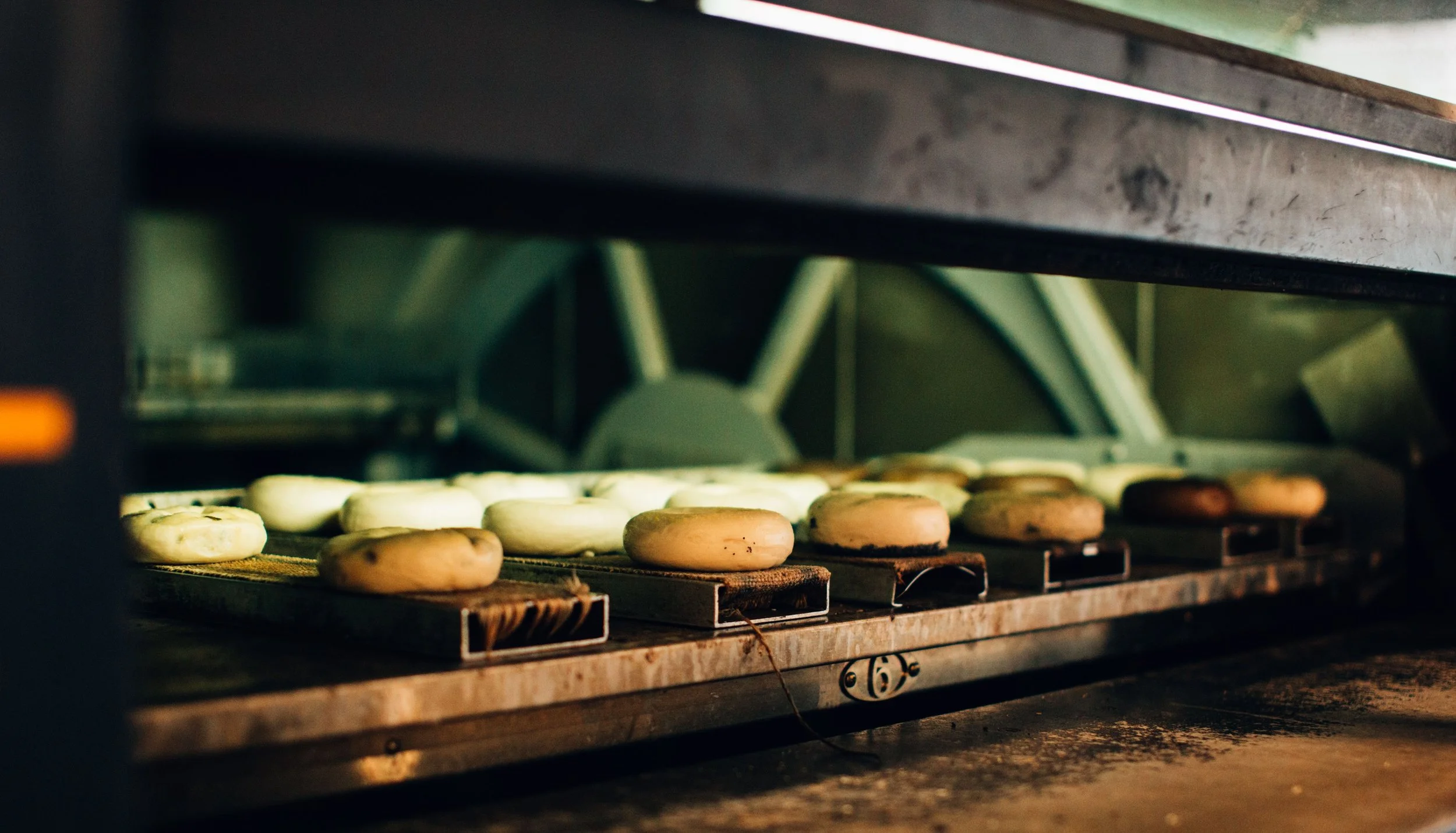
Producing quality bread on a commercial scale requires more than a good recipe. Bakeries need reliable equipment that can handle repetitive production, maintain consistent portion sizes and help staff work efficiently. From spiral mixers and proofers to moulders and ovens, every machine has an important role in turning raw ingredients into finished bread.
One particularly valuable piece of bread production equipment is the Dough Divider machines used to portion bulk dough into consistent pieces.
For bakeries producing bread rolls, loaves, buns, pizza bases and other dough products in volume, manually weighing and dividing every piece can quickly become a production bottleneck. A commercial dough divider can help streamline this stage, improving consistency while reducing repetitive manual work.
What Is a Dough Divider Machine?
A dough divider is commercial bakery equipment designed to separate a larger quantity of dough into smaller, more uniform portions.
Traditionally, bakery staff may divide dough manually and weigh individual portions before shaping them. While this can work for very small batches, the process becomes increasingly time-consuming as production increases.
Dough Divider machines are designed to make portioning faster and more repeatable.
Depending on the type of machine, dough can be pressed and divided into multiple pieces in one operation or continuously portioned as part of a larger production process. Some machines also combine dividing with rounding, creating portions ready for subsequent proofing or shaping.
The result is a more organised workflow and greater consistency from one production batch to another.
Why Consistent Dough Portions Are Important
Consistency is one of the foundations of commercial bread production.
If one dough portion weighs considerably more than another, the resulting products can differ in size, appearance and potentially baking characteristics. This is particularly undesirable when customers expect uniform bread rolls, buns or packaged products.
Consistent portions can help bakeries achieve:
More uniform finished products
Predictable product sizes
Better production planning
Reduced unnecessary dough waste
More consistent presentation
Easier batch management
For wholesale bakeries supplying cafés, restaurants, supermarkets and other food businesses, uniformity can be particularly important because customers often expect every product within an order to meet the same specifications.
Where Does a Dough Divider Fit into Bread Production?
A commercial bread production process typically involves several connected stages.
The process begins with ingredient preparation and mixing. A spiral mixer is commonly used for bread dough because it is specifically designed for commercial dough production.
Once the dough has completed the appropriate mixing and fermentation stages, it needs to be divided into portions.
This is where Dough Divider machines become valuable.
After dividing, portions may move to a rounder, moulder or other forming equipment depending on the product being produced. Dough then progresses through proofing before entering the oven.
A simplified production flow might therefore look like:
Mixing → Fermentation → Dividing → Rounding/Moulding → Proofing → Baking → Cooling → Slicing/Packaging
When each piece of machinery is appropriately matched to production requirements, bakeries can create a smoother workflow with fewer manual bottlenecks.
Benefits of Dough Divider Machines
Faster Dough Processing
Speed is an obvious advantage.
Imagine manually weighing hundreds of individual bread roll portions during a busy production shift. Even experienced bakery staff require significant time to perform this process accurately.
A commercial divider can process dough portions considerably more efficiently, allowing employees to concentrate on other production tasks.
This becomes increasingly valuable as daily output grows.
Greater Product Consistency
Customers notice inconsistent products.
If a tray of rolls contains noticeably different sizes, it can affect the professional presentation of the finished batch. Accurate portioning creates a more uniform starting point before rounding, moulding, proofing and baking.
Commercial dividers help bakeries repeat portion sizes across production runs.
Reduced Manual Handling
Commercial bread making is physically demanding.
Mixing, lifting, dividing, shaping, loading and unloading products can involve substantial repetitive work throughout a shift.
Automating appropriate production stages can reduce some of this repetitive handling. A dough divider doesn't eliminate the need for skilled bakery employees, but it allows their time to be directed toward tasks where their expertise adds greater value.
Better Control of Ingredient Costs
Small differences in individual dough portions can become significant when multiplied across hundreds or thousands of products.
Over-portioning means giving away additional product without necessarily receiving additional revenue.
More consistent dividing can therefore contribute to better portion control and help minimise unnecessary dough usage.
Increased Production Capacity
Growing bakeries eventually reach a point where manual production methods limit output.
Adding more employees is one solution, but additional labour isn't always the most efficient way to increase capacity.
Investing in appropriate production equipment can allow a bakery to process larger quantities while maintaining a manageable workflow.
Divider vs Divider Rounder: What's the Difference?
A standard dough divider primarily performs one job: dividing a larger dough mass into smaller portions.
A divider rounder performs an additional step by rounding the divided dough portions.
Rounding creates smoother, more regular dough pieces suitable for products such as buns and bread rolls.
The best option depends on your bakery's products and production process. A bakery producing products that require subsequent moulding may prefer a dedicated divider, whereas businesses producing significant quantities of rolls or buns may benefit from combining dividing and rounding.
Bake Equipment's stock can include both commercial dough dividers and divider-rounders. For example, equipment listed through the business has included JAC dough dividers and a Daub automatic divider-rounder. Availability naturally varies as equipment is bought and sold.
Choosing the Right Dough Divider Machine
Not every divider will suit every bakery.
Before purchasing equipment, consider your existing output and where you expect production to be several years from now.
Production Volume
Calculate how much dough you currently process during an average shift and during peak periods.
Equipment should have enough capacity to support normal production without becoming another bottleneck.
Dough Weight Requirements
Consider the products on your menu and the portion weights you regularly require.
Bread rolls, buns, pizza dough and larger loaves can have very different dough-weight requirements. Make sure the machine you're considering is appropriate for your product range.
Available Space
Commercial bakery floor space is valuable.
Check machine dimensions and consider not simply whether the equipment physically fits but whether staff can safely and conveniently operate, clean and maintain it.
Power Requirements
Always confirm the electrical requirements of commercial bakery equipment before purchasing.
Some machinery requires three-phase power, so checking compatibility with your premises before installation can prevent unnecessary complications.
Cleaning and Maintenance
Bread production equipment operates in an environment containing flour and dough residue, making accessibility for cleaning particularly important.
Look for equipment that can be cleaned efficiently and incorporated into your bakery's regular sanitation procedures.
Condition of Used Equipment
Buying used commercial bakery machinery can substantially reduce the initial investment required to establish or expand a production line.
However, condition matters.
Assess the machine's overall condition, operating history where available, maintenance requirements and suitability for your production needs before purchasing.
Building an Efficient Bread Production Line
A dough divider should not be considered in isolation.
The best results come from examining the entire bakery workflow.
For example, installing a high-capacity divider provides limited benefit if your mixer cannot produce dough quickly enough to supply it. Similarly, increasing dividing capacity can create another bottleneck if your proofing or oven capacity cannot accommodate additional products.
Consider how your:
mixers, Dough Divider machines, rounders, moulders, proofers, ovens, cooling equipment and bread slicers
work together.
The objective should be balanced production rather than simply purchasing the fastest individual machine.
New or Used Bread Production Equipment?
Buying brand-new machinery isn't the only option available to Australian bakeries.
Quality used bakery equipment can provide an economical way to start a bakery, replace an existing machine or expand production capacity.
Bake Equipment specialises in buying and selling used bakery and catering equipment in South Australia, with machinery including mixers, dough sheeters, moulders, bread slicers, ovens, proofers, racks, trolleys and other commercial equipment.
Stock changes depending on the equipment currently available, making it worthwhile to regularly check the showroom or enquire about machinery you're trying to source.
Find Commercial Bakery Equipment with Bake Equipment
Whether you're opening a bakery, increasing wholesale production or replacing ageing machinery, choosing the right equipment can have a significant effect on everyday operations.
For bread-focused businesses, Dough Divider machines can be an important part of creating a faster, more consistent production process.
Bake Equipment buys and sells commercial bakery equipment and can help Australian bakeries source machinery for different stages of production. The business is based in Windsor Gardens, South Australia, with equipment available for viewing by appointment and delivery options available Australia-wide.
Explore the current equipment range at Bake Equipment to find machinery suited to your bakery's production requirements.
Frequently Asked Questions About Dough Divider Machines
What are Dough Divider machines used for?
Dough Divider machines divide a larger mass of dough into smaller, more consistent portions. They are commonly used in commercial production of bread, rolls, buns and other dough-based products.
Why should a bakery use a dough divider?
A dough divider can speed up portioning, improve consistency, reduce repetitive manual work and provide greater control over individual dough weights. It is especially useful when production volumes make manual weighing inefficient.
What is the difference between a dough divider and a divider rounder?
A dough divider portions bulk dough into individual pieces. A divider rounder performs the dividing process and then rounds those pieces, making it particularly useful for products such as buns and bread rolls.
Are dough dividers suitable for small bakeries?
They can be. Suitability depends more on production volume and workflow than the physical size of the business. A smaller bakery producing a high number of rolls or loaves each day may gain considerable value from automated dividing.
Can I buy used Dough Divider machines?
Yes. Used commercial dough dividers can offer a cost-effective alternative to buying new machinery. Bake Equipment specialises in used bakery and catering equipment, and its available inventory changes as machinery is bought and sold.
What should I check before purchasing a used dough divider?
Consider the machine's condition, portioning capabilities, capacity, dimensions, electrical requirements, cleaning requirements and suitability for the types of dough you produce. You should also consider how the machine will integrate with your existing production line.
Does a dough divider replace bakery staff?
No. Its purpose is to automate a repetitive production step. Skilled bakers and production employees are still required for dough preparation, fermentation management, shaping, proofing, baking, quality control and other processes.
What other equipment is needed for commercial bread production?
Depending on the bakery, a bread production setup may include spiral mixers, dividers, rounders, moulders, proofers, ovens, cooling racks, bread slicers and packaging equipment.
Does Bake Equipment sell other commercial bakery machinery?
Yes. Bake Equipment specialises in bakery and catering machinery, with its range including equipment such as mixers, dough sheeters, moulders, ovens, proofers, bread slicers, racks, trolleys and other bakery production equipment.
Can Bake Equipment deliver bakery equipment around Australia?