Used Commercial Dough Mixer: A Practical Buying Guide for Australian Bakeries
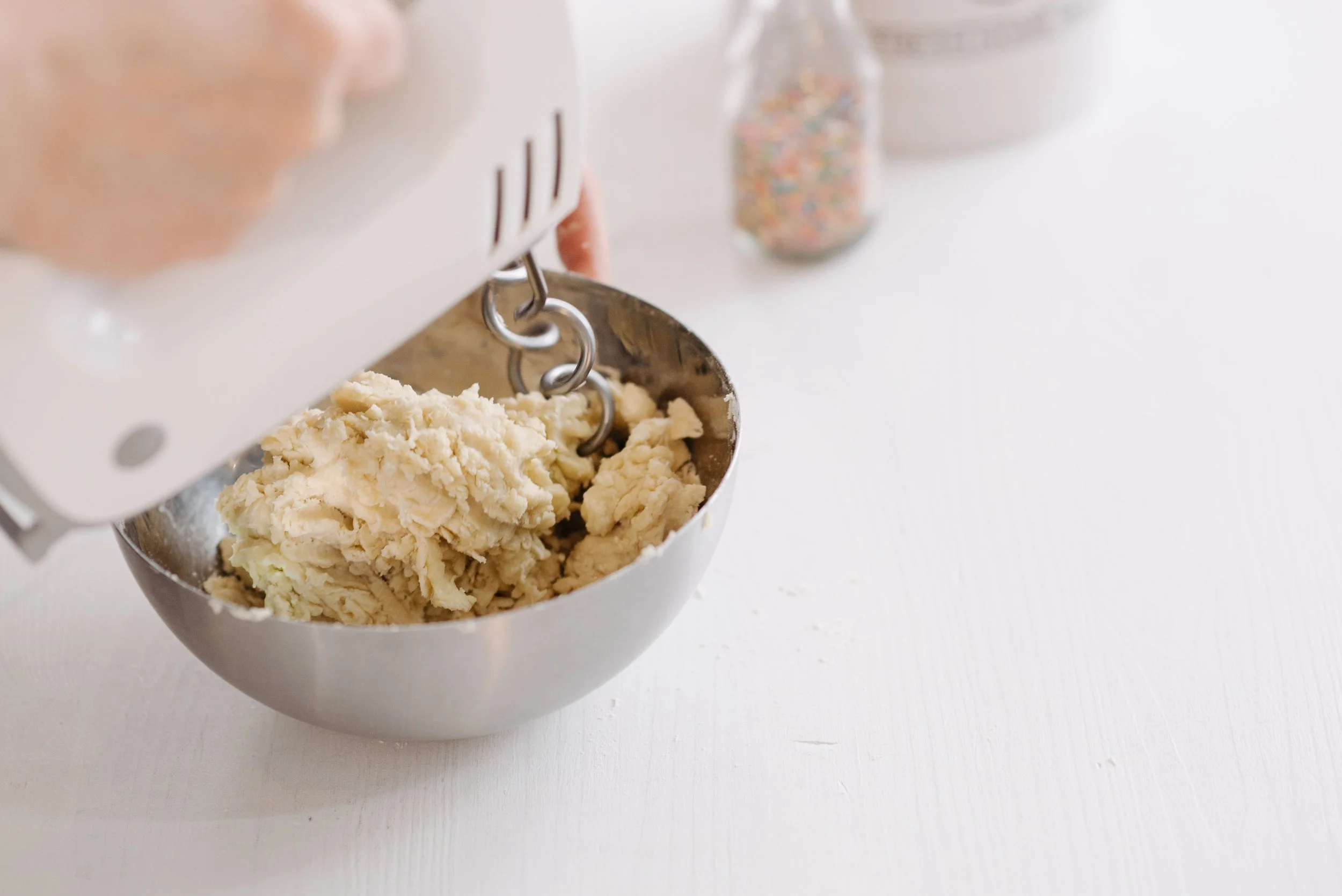
Buying bakery equipment can put a serious dent in your budget, particularly when you are opening a new bakery, replacing an ageing machine or increasing production. One piece of equipment that deserves careful consideration is the mixer.
A reliable used commercial dough mixer can be a practical alternative to buying brand-new equipment. You can potentially get the capacity and heavy-duty construction your bakery needs without spending the amount normally associated with a new commercial machine.
But buying used shouldn't simply mean finding the cheapest mixer available.
The condition of the machine, its capacity, electrical requirements, mixer type and suitability for your products all matter. Here's what Australian bakery owners, pizza businesses, cafés and commercial kitchens should consider before purchasing a second-hand dough mixer.
Why Buy a Used Commercial Dough Mixer?
Commercial bakery equipment is designed for demanding working environments. Unlike a domestic mixer that might be used occasionally, a commercial dough mixer can be expected to handle batch after batch throughout a busy working day.
That durability is one reason a good used machine can still offer considerable value.
For a bakery working with a limited equipment budget, buying used may also make it possible to purchase a larger or more capable machine than the business could afford if buying new.
The money saved can then be put towards other essentials such as ovens, proofers, dough dividers, moulders, refrigeration, bread slicers, trays and racks.
At Bake Equipment, used bakery and catering equipment is a major part of what we do. We help bakeries, cafés and food manufacturers source commercial machinery without necessarily having to purchase everything new.
Spiral or Planetary: Which Used Dough Mixer Do You Need?
Before comparing individual machines, work out which type of mixer suits your products.
Used Commercial Spiral Mixer
For businesses producing bread and other yeast-based doughs, a commercial spiral mixer will often be the first place to look.
With a spiral mixer, the spiral mixing tool works together with the rotating bowl to knead the dough. This makes spiral mixers particularly well suited to commercial dough production.
They are commonly used for:
Bread dough
Sourdough
Pizza dough
Rolls and buns
Brioche
Artisan breads
Other yeast-based dough products
Spiral mixers are designed to develop dough efficiently while helping control the amount of heat generated during mixing.
If bread or pizza dough makes up most of your production, a used commercial spiral dough mixer can therefore be an excellent addition to the bakery.
Used Commercial Planetary Mixer
A planetary mixer provides considerably more versatility.
Depending on the machine and available attachments, it can be used for products including cake mixtures, creams, icing, batters, fillings and lighter doughs.
Planetary mixers are particularly useful in bakeries and commercial kitchens producing a broad menu rather than concentrating mainly on bread.
Some larger bakeries use both: a spiral mixer dedicated to bread dough and a planetary mixer for general mixing.
What Size Commercial Dough Mixer Should You Buy?
Bigger isn't automatically better.
Your mixer should be matched to the quantities you actually produce.
Think about how much dough you make in an average batch, how many batches you complete during a normal shift and how production changes during your busiest periods.
Buying a mixer that is too small can create a production bottleneck. Staff may spend much of the day preparing repeated batches when a larger mixer could handle the work more efficiently.
Going too large can create its own problems. The machine may occupy valuable floor space, require electrical services your premises don't currently have and simply be unnecessary for your production volume.
Before purchasing, establish the machine's rated capacity and make sure it suits your recipes and intended workload.
Check the Power Requirements Before Buying
This is an easy detail to overlook when you find an attractive second-hand machine.
Commercial bakery mixers can have very different electrical requirements. Larger machines may require three-phase power, whereas other equipment may suit different electrical installations.
Don't assume that a mixer can simply be delivered, plugged in and switched on.
Check the manufacturer's specifications or the machine's data plate and compare them with the electrical supply available at your premises. Where necessary, have the requirements assessed by an appropriately qualified electrician.
It's much easier to establish this before buying than after a heavy commercial mixer has arrived at your bakery.
Inspect the Condition of a Used Commercial Mixer
A few scratches aren't necessarily a problem. Commercial equipment works hard, and cosmetic marks are to be expected on many second-hand machines.
Mechanical condition is much more important.
Where possible, inspect the overall machine and pay attention to the bowl, mixing mechanism, guards, controls, switches and general construction.
Ask yourself whether the machine appears to have been maintained or simply worked hard with little attention.
Unusual noises, excessive movement or obvious damage deserve investigation.
The objective isn't necessarily to find a machine that looks brand new. It's to find a used commercial dough mixer whose condition and specifications make sense for your operation.
Think About Spare Parts and Servicing
Purchase price is only one part of equipment ownership.
A cheap mixer isn't particularly cheap if you can't obtain parts when something eventually needs replacing.
Before buying an older or unfamiliar model, investigate the availability of replacement parts and servicing.
Established commercial bakery equipment brands can have an advantage here because technicians may already know the equipment and commonly required components may be easier to source.
This becomes increasingly important when the mixer is central to daily production.
If your mixer stops, bread production can stop with it.
Measure Your Bakery Before the Mixer Arrives
Commercial mixers can be surprisingly large and heavy.
Measure the intended installation area as well as the route the machine will take into your premises.
That means checking:
Door widths
Hallways
Steps
Loading areas
Bench and equipment clearances
Working space around the mixer
Ceiling clearance where relevant
Access for cleaning and servicing
Also consider workflow.
Ideally, ingredients should move naturally from storage and preparation to mixing and then to dividing, moulding, proofing and baking. Good equipment placement can reduce unnecessary movement around the bakery.
Used Doesn't Have to Mean Compromising on Production
There's sometimes an assumption that every serious bakery needs to purchase brand-new machinery.
That isn't necessarily the case.
A suitable used machine can give a business access to professional commercial equipment while keeping capital expenditure under control. The important part is buying according to condition, capacity and suitability rather than simply choosing the lowest advertised price.
For a start-up bakery, used machinery can help stretch a limited setup budget further.
For an established bakery, it can provide a cost-effective replacement when existing equipment reaches the end of its practical life.
And for a growing bakery, purchasing used equipment can provide additional production capacity without committing as much capital to machinery.
Buying Used Bakery Equipment in Australia
Bake Equipment specialises in buying and selling quality used bakery and catering equipment from its South Australian base.
Our equipment range can include commercial mixers, ovens, dough sheeters, moulders, bread slicers, proofers, racks, trolleys, benches, trays and other bakery machinery, with stock changing as equipment is bought and sold.
That changing inventory is important when shopping for used equipment. The exact mixer you're looking for might not always be sitting on the showroom floor today.
If you need a particular mixer capacity, brand or configuration, it is worth asking.
Bake Equipment can also arrange delivery of equipment to customers around Australia.
Questions and Answers About Used Commercial Dough Mixers
Is buying a used commercial dough mixer worth it?
It can be. A quality second-hand commercial mixer can reduce the initial cost of setting up or upgrading a bakery. The key is to consider the machine's condition, capacity, specifications and suitability for your production rather than judging it on price alone.
What is the best commercial mixer for bread dough?
A spiral mixer is generally the preferred option for businesses primarily producing bread, pizza and other yeast-based doughs. Its mixing action is designed specifically for dough development.
What's the difference between a spiral mixer and a planetary mixer?
A spiral mixer is primarily designed for dough production, while a planetary mixer is more versatile and can be used with different attachments for products such as cake batter, creams, icing and fillings as well as some doughs.
What size dough mixer does my bakery need?
That depends on your typical batch size, daily production volume and plans for future growth. Calculate how much dough you normally produce per batch rather than choosing capacity based purely on the physical size of the mixer.
What should I check when buying a second-hand commercial mixer?
Check its capacity, electrical requirements, overall condition, bowl and mixing components, controls, safety guards and suitability for your products. You should also consider whether servicing and spare parts are readily available.
Do commercial dough mixers need three-phase power?
Some do, particularly larger commercial machines, but requirements vary between models. Always check the electrical specifications of the individual mixer before purchasing.
Can a planetary mixer be used for bread dough?
Depending on its design and capacity, a planetary mixer can handle some dough applications. However, bakeries concentrating heavily on bread and pizza production will often benefit from a dedicated spiral mixer.
Can I buy a used commercial mixer for a pizza shop?
Yes. Spiral mixers are commonly used for commercial pizza dough production. Make sure the mixer's capacity is appropriate for the quantity and type of dough your business produces.
Does Bake Equipment sell used commercial dough mixers?
Yes. Bake Equipment specialises in used bakery and catering equipment, including commercial mixers. Available machines vary as equipment is bought and sold, so checking current stock or enquiring about the mixer you require is worthwhile.
Can Bake Equipment arrange delivery?
Bake Equipment can arrange delivery of equipment around Australia. Delivery requirements and costs will depend on the individual machine and destination.
Looking for a Used Commercial Dough Mixer?
The right mixer should make production easier, not create another bottleneck in your bakery.
Whether you're replacing an existing machine, setting up a bakery or preparing for increased production, take the time to compare capacity, mixer type, electrical requirements and condition before purchasing.
Explore our current equipment or contact us if you're searching for a particular used commercial dough mixer. Even if the exact machine you need isn't currently in stock, we may be able to help you find a suitable option