Used Commercial Kitchen Equipment: A Practical Buying Guide for Australian Businesses
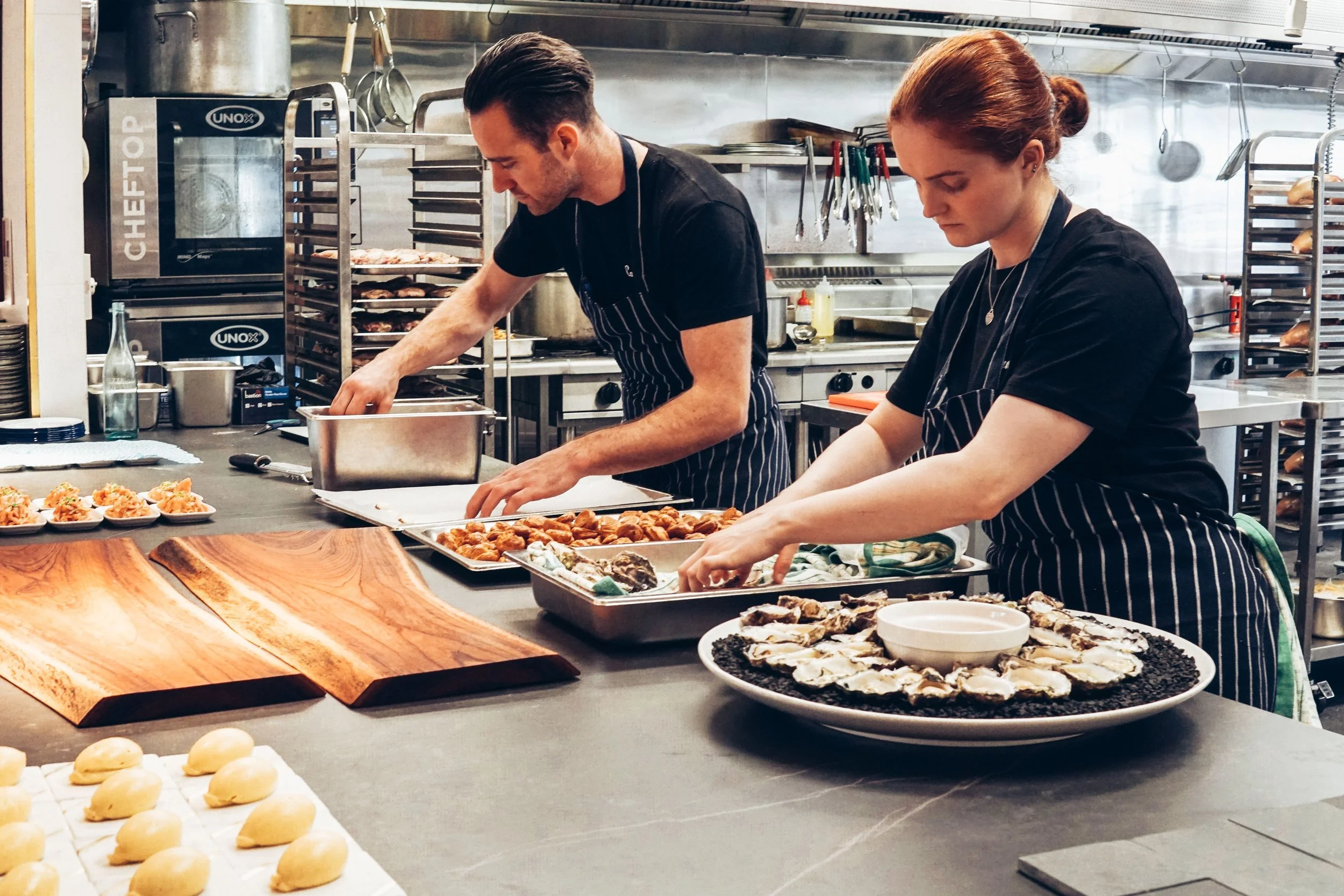
Setting up a commercial kitchen is exciting, but it can also become expensive very quickly. Once you start adding up the cost of ovens, mixers, refrigeration, preparation benches, dishwashers, display cabinets and specialised machinery, equipment can take a substantial bite out of your budget.
That is why many Australian bakeries, cafés, restaurants, takeaway shops, caterers and food manufacturers consider used commercial kitchen equipment instead of buying everything brand new.
Buying second hand isn't simply about finding the cheapest machine available. The real goal is to find reliable commercial equipment that suits your production requirements, available space and budget.
A carefully selected used oven, mixer or refrigerator may have years of productive service ahead of it. At the same time, buying the wrong machine can leave you with unexpected installation costs, insufficient capacity or equipment that simply doesn't suit the way your kitchen operates.
Here's what to consider before you buy.
Why Buy Used Commercial Kitchen Equipment?
The obvious reason is cost.
Commercial-grade machinery can represent a significant investment, particularly when several pieces of equipment are required at once. Buying used can reduce that upfront expense and leave more money available for other parts of the business.
For a new bakery or café, those savings could be put towards fit-out costs, ingredients, signage, staffing, marketing or working capital.
For an established business, used equipment can provide an economical way to increase capacity or replace a machine without committing to the price of a new equivalent.
There is another advantage: commercial equipment is built for professional use.
Unlike domestic appliances, quality commercial machinery is generally designed to operate regularly in demanding environments. Provided its condition is appropriate and it has been maintained properly, an older commercial machine may still have plenty of useful working life.
What Used Commercial Kitchen Equipment Can You Buy?
The second hand market covers almost every stage of food preparation and production.
Depending on current availability, you may find equipment such as:
Commercial ovens and bakery ovens
Spiral and planetary mixers
Dough sheeters and moulders
Bread slicers
Proofers
Commercial refrigerators and freezers
Dishwashers
Pizza ovens
Display cabinets
Stainless steel benches and work tables
Racks and trolleys
Bakery tins and trays
Food preparation machinery
Specialist bakery machinery can be particularly attractive on the used market because setting up an entire bread or pastry production line with new equipment can require considerable capital.
The important thing is to buy according to what your business actually needs rather than simply purchasing a machine because the price looks attractive.
7 Things to Check Before Buying Used Commercial Kitchen Equipment
1. Does It Have the Right Capacity?
Start with what you need the machine to do.
If you're buying a mixer, consider your normal batch size. If you're buying an oven, think about how much product you need to bake during your busiest production periods.
Buying something too small can create a bottleneck almost immediately.
Going too large isn't necessarily better either. Oversized equipment can occupy valuable floor space and may be unnecessary for your current operation.
Look for capacity that works for today's production while allowing sensible room for growth.
2. What Condition Is the Equipment In?
Used commercial equipment will naturally show signs of use, so cosmetic wear doesn't automatically make a machine a poor purchase.
Functional condition is more important.
Where relevant, inspect doors, seals, controls, switches, guards, motors and moving parts. Look for corrosion, excessive wear, damage or unusual modifications.
Ask what is included with the equipment as well. Missing trays, bowls, attachments or other components could affect the true cost of putting the machine into service.
3. Will It Actually Fit?
This sounds obvious, but commercial equipment can be surprisingly large.
Measure the space where the machine will operate and then measure the entire access route.
That means checking doorways, corridors, loading areas, stairs and other potential obstacles.
Don't forget operating clearance. A machine might physically fit into a particular space but still leave insufficient room for staff to operate, clean or service it safely.
4. What Power Does It Require?
Never assume commercial machinery will work with the electrical supply already available in your kitchen.
Some equipment requires three-phase power. Other machinery may have specific electrical requirements that need to be confirmed before installation.
Gas equipment requires similar attention.
If you're unsure, check the machine's specifications and discuss the installation with an appropriately qualified tradesperson before committing to the purchase.
Discovering an electrical or gas incompatibility after a large machine arrives is an expensive inconvenience worth avoiding.
5. Does It Need Water, Drainage or Extraction?
Electrical supply isn't the only installation consideration.
Commercial dishwashers may require water and drainage connections. Certain cooking equipment may need extraction. Other machinery can have plumbing or ventilation requirements.
Consider the complete installed cost rather than the purchase price alone.
A machine selling at an attractive price may not be such a bargain if your premises require extensive alterations before you can use it.
6. Can It Be Cleaned Properly?
Hygiene matters in every commercial food business.
Look at whether food-contact areas are accessible for cleaning and whether the equipment can be incorporated into your normal cleaning and sanitation procedures.
This is particularly important for bakery machinery, where flour, dough, oils, fillings and other ingredients can accumulate in difficult-to-reach areas.
7. Can It Be Serviced?
Commercial equipment works hard, and eventually most machines require servicing or replacement parts.
Before buying older or specialised machinery, consider the manufacturer, model and availability of service support.
Age alone shouldn't determine your decision. A well-built older commercial machine may be a perfectly practical choice when it remains serviceable and suitable for your operation.
Used Bakery Equipment Can Deliver Significant Value
Bakeries often require more specialised machinery than a conventional café or restaurant.
A bread production operation, for example, might need a spiral mixer, dough divider, moulder, proofer, oven, cooling racks and bread slicer before the finished product is ready for sale.
Buying every machine new can create a considerable upfront expense.
Used bakery equipment gives businesses another option.
For a startup, it may make the initial setup more manageable. For an established bakery, it can provide a practical way to add production capacity or replace an ageing machine.
The key is to think about the production line as a whole.
A high-capacity mixer won't solve your production problems if your oven becomes the next bottleneck. Likewise, a faster dough-processing machine offers limited benefit if proofing capacity cannot keep up.
Equipment should work together.
Is Used Equipment Only for Startups?
Not at all.
Established businesses regularly need additional machinery.
Perhaps your bakery has secured a new wholesale customer and needs another mixer. Maybe your café is expanding its menu and requires more refrigeration. You might need a second oven to handle peak production or a replacement dishwasher after an unexpected breakdown.
Buying used can allow businesses to increase capacity without automatically investing in brand-new machinery.
It can also make experimentation easier. If you're introducing a new product line, suitable second hand machinery may reduce the amount of capital committed before you know how demand will develop.
Used vs New Commercial Kitchen Equipment
There isn't a universal answer to whether new or used is better.
New equipment can offer the latest features, manufacturer warranties and predictable condition. Used equipment can offer substantial savings and access to commercial-grade machinery for a lower upfront investment.
The better choice depends on the individual machine and your circumstances.
Consider purchase price alongside condition, capacity, installation expenses, servicing requirements and expected usage.
Most importantly, don't compare machines on price alone.
A cheap machine that doesn't suit your production requirements isn't good value.
Buying Used Commercial Kitchen Equipment in Australia
Location shouldn't necessarily limit your search.
Bake Equipment is based in Windsor Gardens, South Australia, and specialises in buying and selling used bakery and catering equipment. Equipment can be viewed by appointment, and delivery can be arranged across Australia.
Stock naturally changes as machinery is bought and sold.
That means if you're looking for a particular oven, mixer, dough sheeter, slicer or other machine and can't see exactly what you need, it can be worthwhile making an enquiry.
Questions and Answers About Used Commercial Kitchen Equipment
Is used commercial kitchen equipment worth buying?
It can be an excellent option when the equipment is in suitable condition and matches your operational requirements. Used equipment can reduce upfront costs while providing access to commercial-grade machinery.
What should I check before buying second hand commercial kitchen equipment?
Check the condition, dimensions, capacity and utility requirements. You should also consider access to your premises, installation costs, cleaning requirements, servicing and parts availability.
Is second hand bakery equipment suitable for a new bakery?
Yes. Buying used machinery can help reduce the initial capital required to establish a bakery. Depending on availability, businesses may be able to source mixers, ovens, proofers, dough-processing equipment, slicers, benches, racks, tins and trays second hand.
Are used commercial ovens a good investment?
They can be, provided the oven is appropriate for your products and production volume. Check its condition, capacity, dimensions, power or gas requirements and installation needs before purchasing.
What should I look for in a used commercial mixer?
Consider mixer type, bowl capacity, operating condition, power requirements and the products you intend to make. Spiral mixers are commonly used for dough production, while planetary mixers can suit a broader range of mixing applications.
Can I buy commercial refrigeration second hand?
Yes. Used refrigerators, freezers and display refrigeration are commonly available. Condition and operating performance are particularly important, so make sure the equipment is suitable for your intended commercial application.
Does Bake Equipment sell used bakery equipment?
Yes. Bake Equipment specialises in buying and selling used bakery and catering equipment, including machinery for bakeries, cafés and food-production businesses.
Where is Bake Equipment located?
Bake Equipment is located in Windsor Gardens, South Australia. Showroom visits are available by appointment.
Can commercial kitchen equipment be delivered interstate?
Bake Equipment can arrange delivery across Australia. Delivery requirements and costs will depend on the particular equipment and destination.
Find Used Commercial Kitchen Equipment with Bake Equipment
Buying second hand commercial kitchen equipment isn't simply about spending less. It's about getting the right machinery for the job while making sensible use of your available capital.
Before purchasing, consider what you produce, how much you produce, your available floor space and the utilities available at your premises. Check the equipment's condition and think about installation, cleaning and servicing as part of the overall decision.
Whether you're opening a bakery, upgrading a café, expanding a production facility or replacing an essential machine, quality used equipment can provide a practical alternative to buying new.